Our Contribution
Specialist Palliative Care is a critical investment - for patients, families and the wider system
Each year thousands of people in Greater Manchester with life-limiting conditions need Specialist Palliative Care. Our hospices are central to delivering it — and to easing pressure on the wider NHS.
What is Specialist Palliative Care?
Expert care for complex needs, close to home
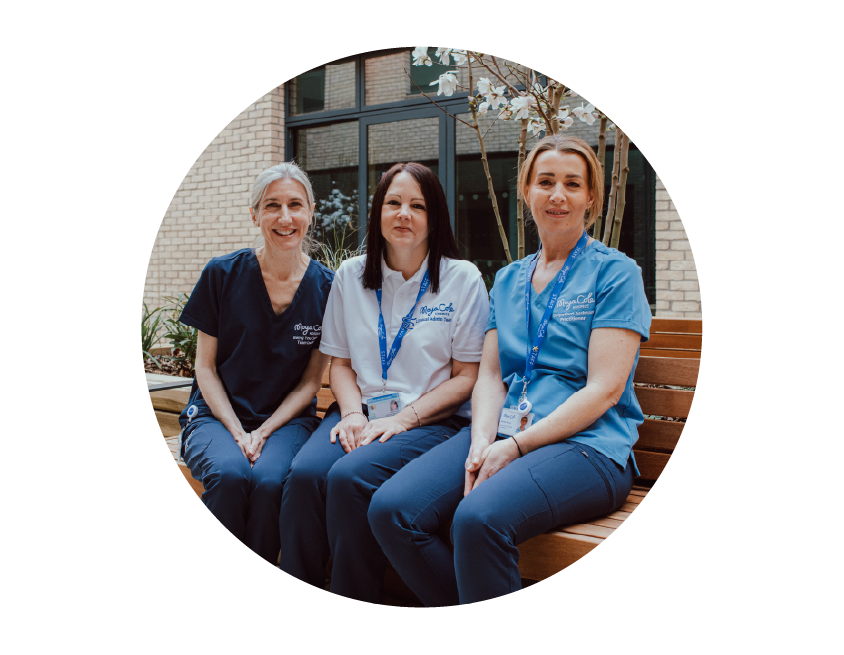
When symptoms and needs cannot be managed by usual generalist care teams, Specialist Palliative Care becomes a core part of the pathway — not an optional extra. Delivered by expert multi-disciplinary teams, primarily by hospices in the community, Specialist Palliative Care aligns tightly with the shift to proactive, integrated care delivered closer to home.
Care outside acute settings
Managing complex needs in the hospice or in the places patients call home — preventing needless hospital admissions.
Building system capability
Supporting workforce training and earlier identification of people with specialist needs.
Faster, better discharge
Enabling timely discharge from hospital into appropriate community settings.
Comfort, dignity, coordination
Enhancing overall patient experience and joining up care across providers.
The problem today
Not everyone in Greater Manchester gets the Specialist Palliative Care they need
Too many people experience fragmented care, repeated hospital admissions and poor symptom control at the end of life. Of GM residents who died in 2024:
71%
Attended A&E in the last 90 days of life
67%
Had at least one emergency hospital admission in the last 90 days of life
12%
Had three or more admissions in the last 90 days of life — with an average of over 15 days spent in hospital
47%
Died in hospital, despite most people wanting to die in the place they call home
National research shows one in three people in England are currently dying with their care needs unmet.
Rising demand
Demand for Specialist Palliative Care is rising fast
Without action to stabilise and grow palliative and end-of-life care capacity across GM, the number of people with unmet needs will keep rising. By 2044:
+21%
more people in GM aged 65+
+52%
more people in GM aged 85+
+5,000
more deaths each year — at least 70% needing palliative care
How hospices support
Caring for patients and families — and the wider system
Hospices in GM
Over 9,000
local people supported by our hospices in 2024/25, of the 26,000 adults, babies, children and young people who died in Greater Manchester.
Holistic care
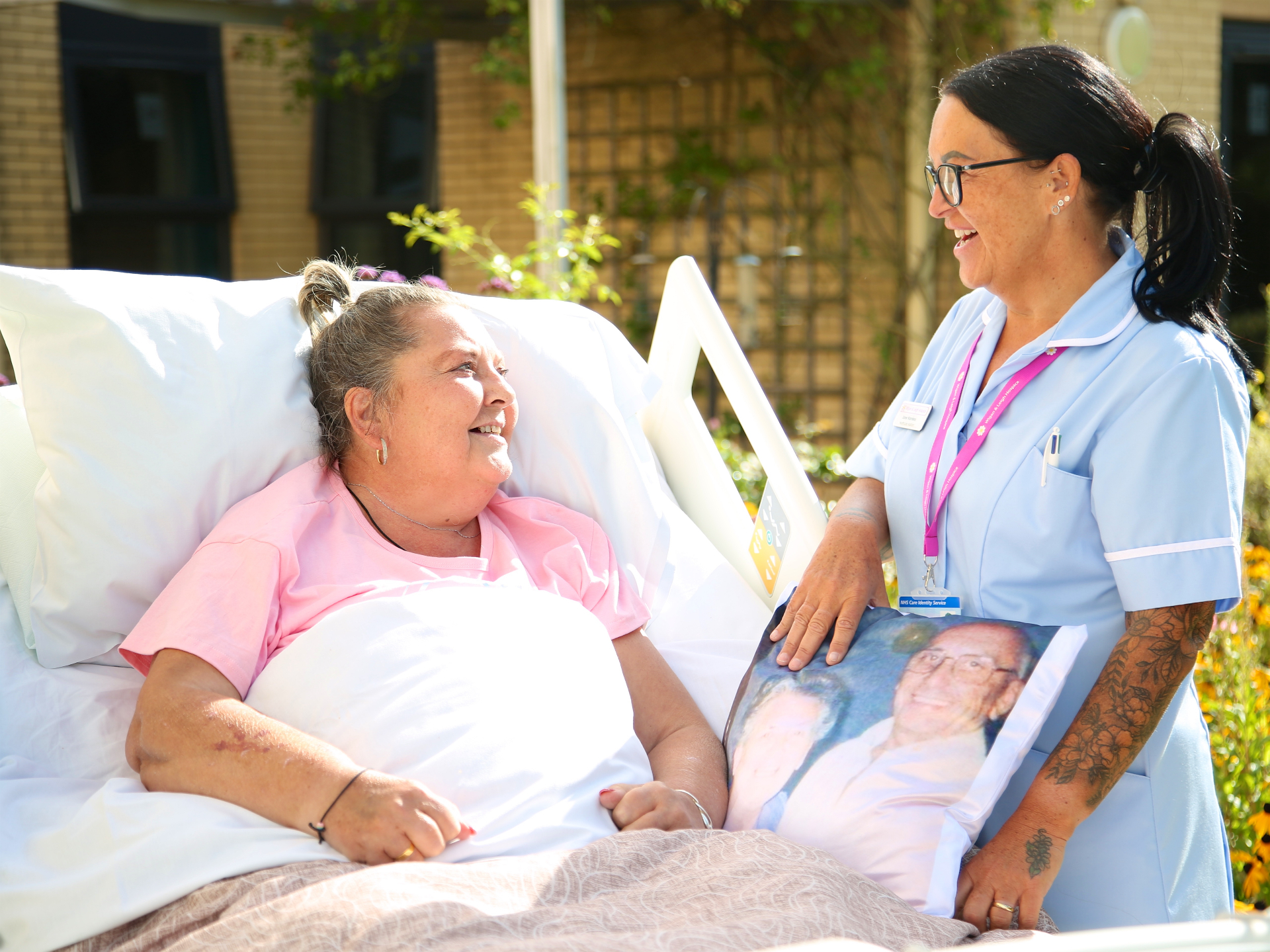
Addressing physical, emotional, social and spiritual needs — often heading off issues before they escalate.
Advance care planning
Enabling people to live well and die well in the place and manner of their choosing, reducing unwanted interventions.
Carer & family support
Practical, emotional and bereavement support for the people who matter most.
24/7 access
Round-the-clock advice lines and on-call clinical teams that prevent unnecessary emergency admissions.
Education & training
Building specialist skills across primary, community and social care teams.
Faster hospital discharge
Freeing acute capacity by receiving patients into appropriate community-based care.
£7,000
Average annual NHS cost per person in the palliative segment — 80% higher than the next-highest segment.
50%
Of that cost comes from non-elective hospital admissions that better community care could avoid.
81%
Of health spending in the last year of life goes to hospitals — despite most people wanting to die at home.
Financial challenges
Delivering more, with a funding model that hasn't kept up
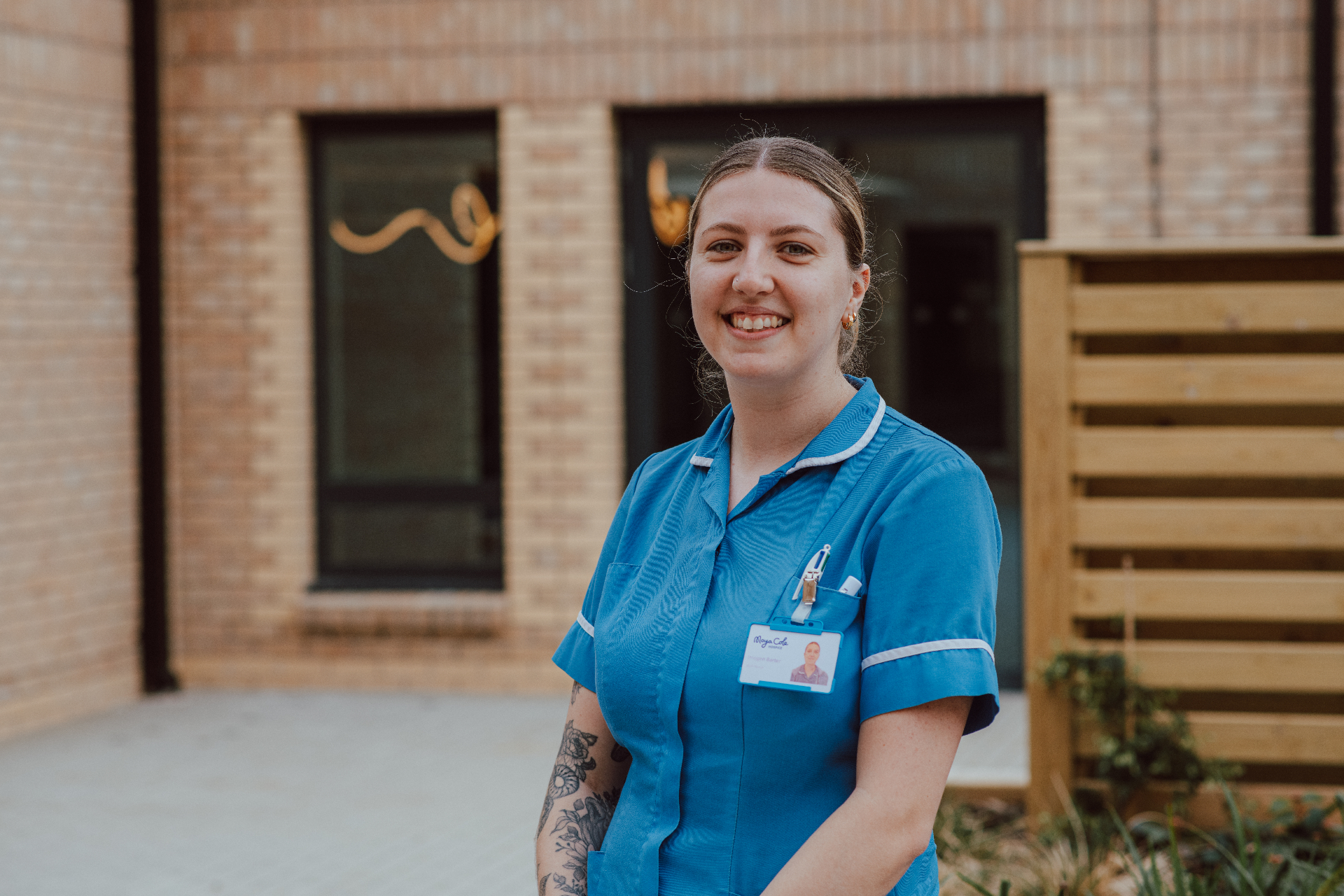
Hospices deliver core NHS services, but receive only a minority of their funding from the NHS. The gap between statutory funding and the cost of care continues to widen.
How hospices are funded today
Rising cost of delivering Specialist Palliative Care
- Pay awards and NHS-linked workforce costs
- Increased complexity of patient needs
- Energy, drug and consumable inflation
- Growing demand from an ageing population
The statutory funding gap
Greater Manchester already lacks specialist capacity - for example, there were 57 too few specialist inpatient beds across GM as of 2024. Without action to fund hospices more fairly and sustainably, more specialist services could be put at risk.
Fairer, more sustainable funding for hospices is a vital investment for the NHS — reducing unnecessary admissions, freeing acute capacity, and delivering better care and better value for the people of Greater Manchester.